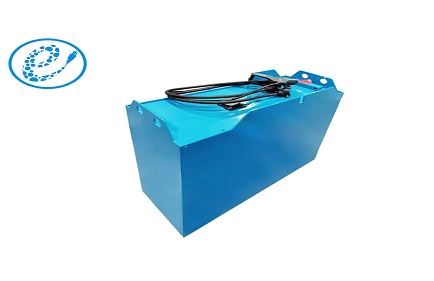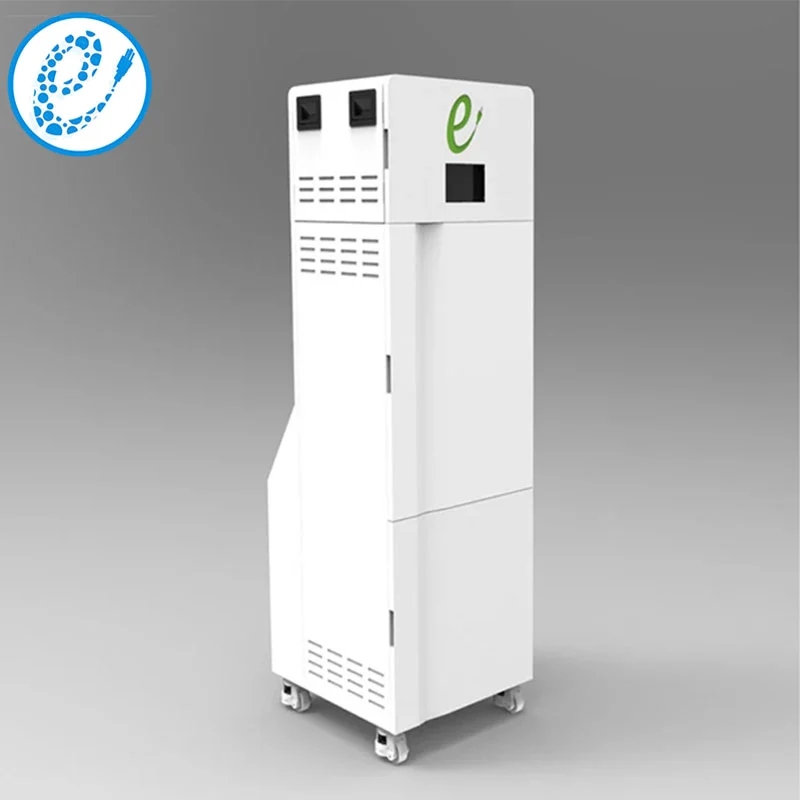
The marine industry is undergoing a significant transformation as sustainability, energy efficiency, and electrification become key priorities. Whether for recreational boats, commercial vessels, ferries, or offshore applications, reliable onboard energy storage is essential for safe and efficient operation. At the center of this evolution is the modern marine battery, particularly the advanced lithium-ion marine battery, which is rapidly replacing traditional lead-acid technologies.
As electric propulsion gains popularity, vessel owners and manufacturers are increasingly seeking high-performance marine battery packs that offer greater energy density, longer service life, and enhanced safety. This article explores the different marine battery types, the advantages of lithium-ion technology, and how modern battery systems are powering the next generation of electric boats.
A marine battery is a specialized energy storage system designed to operate in harsh marine environments. Unlike conventional automotive batteries, marine batteries must withstand vibration, moisture, salt exposure, temperature fluctuations, and repeated charging and discharging cycles.
Marine batteries serve several critical functions onboard a vessel, including:
· Engine starting
· Navigation and communication equipment power supply
· Auxiliary loads such as lighting and refrigeration
· Electric propulsion systems
· Emergency backup power
The performance and reliability of a marine battery directly affect vessel safety, efficiency, and operational capability.
There are several marine battery types available today, each designed for specific applications.
Starting batteries are designed to deliver high current for a short duration to start an engine. They provide strong cranking power but are not intended for deep discharge cycles.
Deep cycle batteries are built to provide steady power over extended periods. They can be repeatedly discharged and recharged without significant degradation.
These batteries are commonly used for:
· Trolling motors
· House power systems
· Electric propulsion
· Navigation equipment
Dual-purpose batteries combine starting and deep-cycle capabilities, making them suitable for smaller boats with limited battery space.
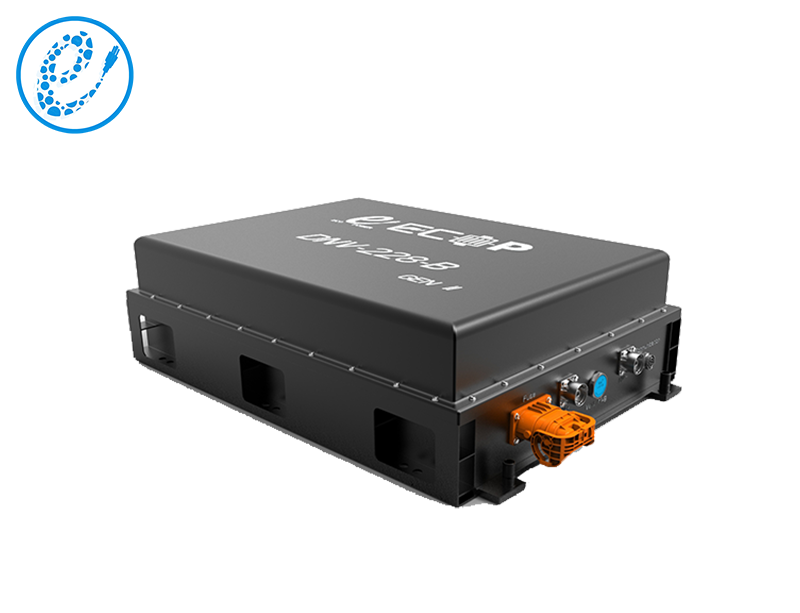
The most advanced option among marine battery types is the lithium-ion marine battery. These batteries provide superior energy density, longer lifespan, faster charging, and reduced weight compared with traditional lead-acid alternatives. As marine electrification accelerates, lithium-ion technology has become the preferred choice for modern vessels.
The adoption of the lithium-ion battery for boat applications continues to grow because of several key advantages.
Lithium-ion batteries store significantly more energy within a smaller footprint. This allows vessel designers to maximize available space while reducing overall weight.
For electric boats, weight reduction directly contributes to:
· Improved speed
· Greater range
· Enhanced efficiency
· Better vessel handling
Traditional lead-acid batteries typically offer a few hundred charge-discharge cycles before performance begins to decline.
In contrast, high-quality boat lithium batteries can deliver thousands of cycles while maintaining excellent capacity retention. This longer lifespan helps reduce maintenance costs and total ownership expenses.
Fast charging is increasingly important for commercial operators and electric vessels.
Modern lithium battery systems support rapid charging technologies that minimize downtime and increase operational availability. Eco Power's marine battery pack solutions are specifically engineered with fast-charge capabilities and intelligent battery management systems to optimize charging performance.
Marine applications demand strict safety standards. Advanced lithium-ion battery packs integrate:
· Battery Management Systems (BMS)
· Thermal monitoring
· Overcharge protection
· Short-circuit protection
· Cell balancing functions
These features help ensure safe and reliable operation even under demanding marine conditions.
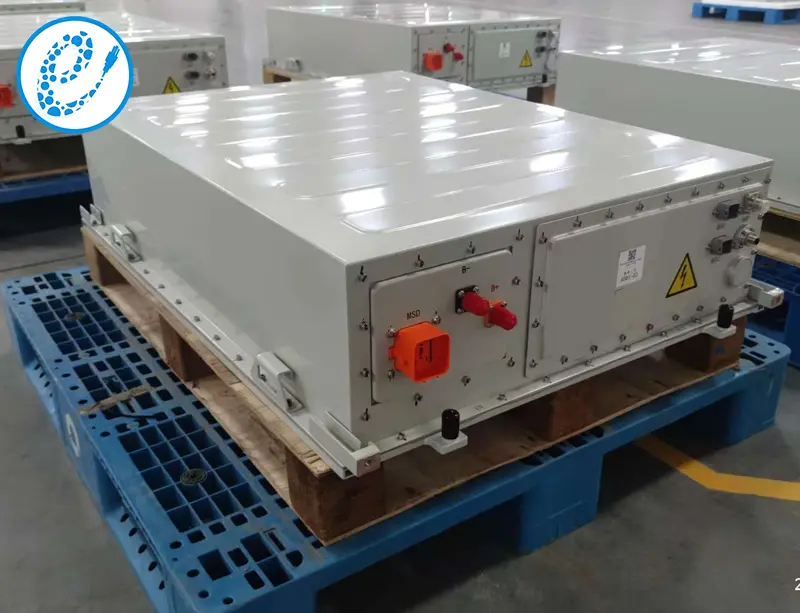
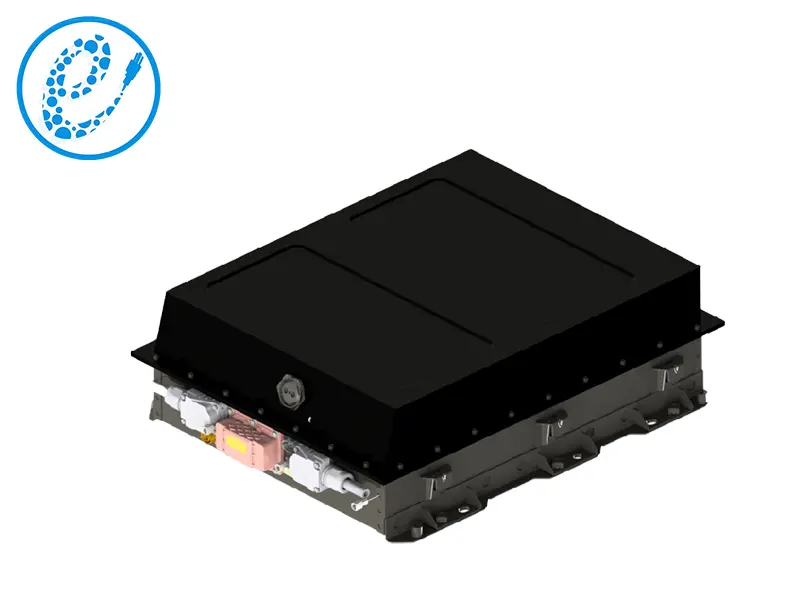
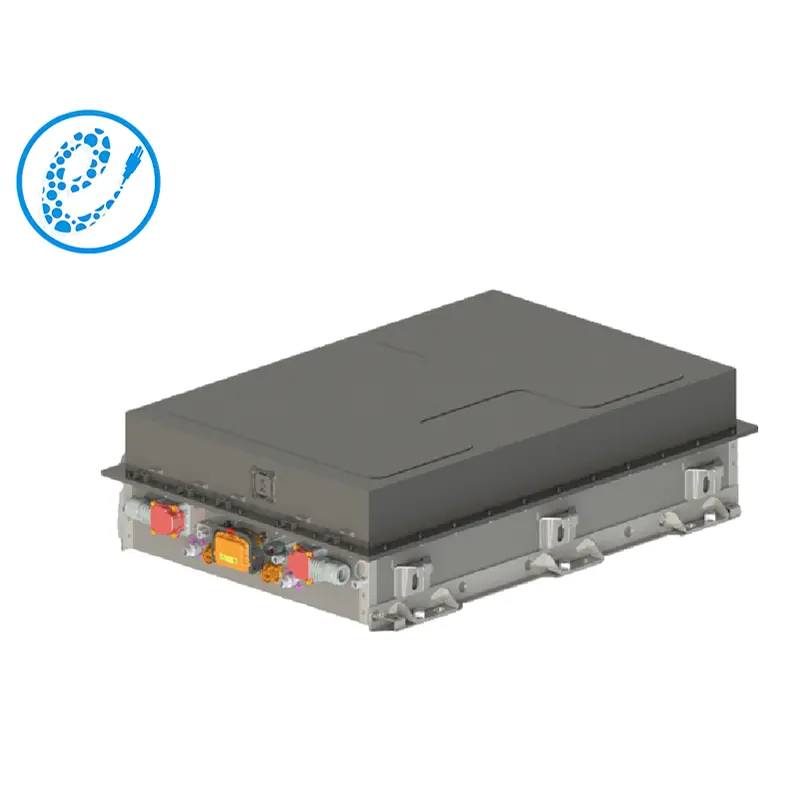
A marine battery pack is much more than a collection of battery cells. It is a complete energy storage system consisting of:
· Lithium-ion cells
· Battery modules
· Battery Management System (BMS)
· Thermal management system
· Communication interfaces
· Safety protection mechanisms
Modern marine battery packs are designed to operate efficiently in humid, corrosive, and vibration-prone environments. Eco Power's marine battery solutions, for example, are developed specifically to withstand moisture and harsh marine conditions while delivering reliable power output.
In addition, modular battery pack designs allow system scalability. Multiple battery packs can be connected in series or parallel configurations to meet varying voltage and capacity requirements. This flexibility enables deployment across a wide range of vessel types, from small leisure boats to large commercial ferries.
One of the fastest-growing segments in marine energy storage is the lithium-ion deep cycle marine battery.
Unlike starting batteries, deep-cycle lithium batteries are designed to provide sustained power over extended periods while tolerating frequent discharge cycles.
Typical applications include:
Electric propulsion systems require a stable and continuous power source. Deep-cycle lithium batteries can maintain voltage levels more effectively than lead-acid batteries, improving propulsion efficiency.
Modern vessels often rely on extensive onboard electrical systems, including:
· Air conditioning
· Refrigeration
· Lighting
· Entertainment systems
· Navigation equipment
A lithium-ion deep cycle marine battery can support these loads while maintaining excellent energy efficiency.
Hybrid vessels combine conventional engines with electric propulsion and battery storage. Lithium-ion batteries play a central role in reducing fuel consumption and emissions while improving operational flexibility.
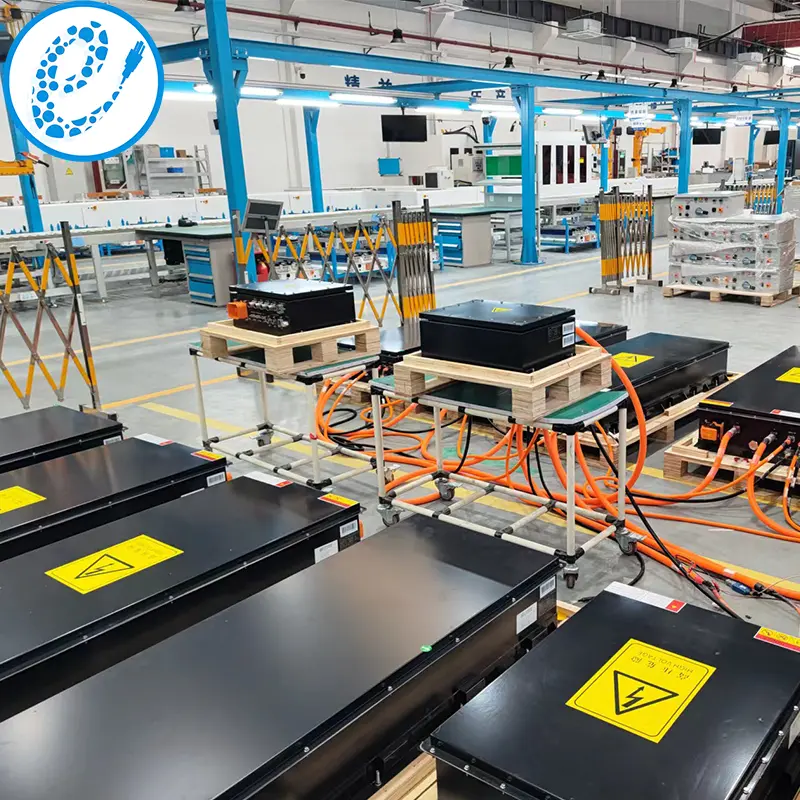
The rise of electric boating has created strong demand for high-capacity electric boat lithium-ion battery systems.
Electric boats require batteries capable of delivering:
· High power output
· Long operating range
· Rapid charging capability
· Lightweight construction
· Reliable thermal performance
Modern lithium battery technologies address these requirements through advanced cell chemistry, intelligent control systems, and efficient cooling solutions.
Eco Power's marine battery products include both naturally cooled and liquid-cooled battery pack configurations, allowing vessel designers to select the optimal solution based on power demands and operational conditions.
The integration of sophisticated thermal management systems is particularly important because battery temperature directly affects performance, efficiency, and lifespan. Research consistently shows that effective thermal control contributes significantly to battery reliability and safety.
A modern electric boat power system consists of multiple interconnected components working together to deliver propulsion and onboard energy.
Core system components include:
Battery packs serve as the primary energy source.
The BMS continuously monitors:
· Voltage
· Current
· Temperature
· State of charge
· Cell balancing
This intelligent control improves battery safety and operational efficiency.
The electric motor converts stored electrical energy into propulsion power.
Inverters and controllers regulate energy flow between batteries and propulsion equipment.
Modern charging systems support both shore-based charging and renewable energy integration.
Together, these technologies create an efficient and environmentally friendly electric boat power system capable of replacing traditional fossil-fuel propulsion in many marine applications.
Choosing the right marine battery depends on several factors.
Battery capacity should match the vessel's energy consumption profile and desired operating range.
Marine battery packs are available in various voltage configurations to support different propulsion and auxiliary systems. Eco Power, as an advanced marine battery manufacturer, offers scalable battery pack solutions capable of meeting a wide range of voltage and energy requirements.
Marine applications often require compliance with strict industry standards and certification requirements. Certified battery systems help ensure reliability and regulatory compliance.
Marine batteries must withstand:
· Saltwater exposure
· Humidity
· Shock and vibration
· Temperature variations
Although lithium-ion batteries generally have a higher initial purchase cost, their longer lifespan, lower maintenance requirements, and improved efficiency often result in lower total ownership costs over time.
As the maritime sector pursues decarbonization goals, battery technology will continue to play a crucial role in vessel electrification.
Several trends are shaping the future of marine energy storage:
· Increased adoption of fully electric vessels
· Expansion of hybrid propulsion systems
· Higher energy density battery chemistries
· Advanced battery monitoring and cloud connectivity
· Improved thermal management technologies
· Greater integration with renewable energy sources
Manufacturers are also focusing on scalable modular battery platforms that can be adapted to diverse marine applications while maintaining high safety and performance standards. Eco Power's modular lithium-ion battery architecture reflects this industry direction by enabling flexible energy storage solutions for vessels of varying sizes and operational profiles.
The modern marine industry increasingly depends on advanced energy storage solutions to achieve higher efficiency, lower emissions, and improved operational performance. Among all marine battery types, the lithium-ion marine battery has emerged as the leading technology for both recreational and commercial applications.
With benefits including high energy density, long cycle life, rapid charging capability, and advanced safety features, marine battery packs based on lithium-ion technology are transforming how vessels generate and use power. Whether deployed as a lithium-ion battery for boat propulsion, a lithium-ion deep cycle marine battery for onboard systems, or a complete electric boat power system, these innovative solutions are helping shape a cleaner and more sustainable future for marine transportation. Contact Eco Power today to learn how our advanced lithium-ion marine battery solutions can power your next marine project.