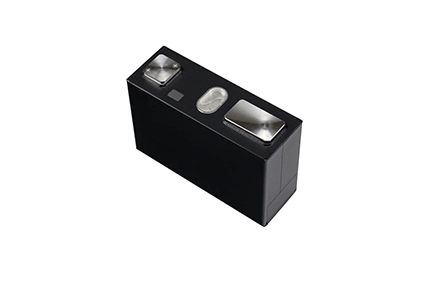
As renewable energy adoption accelerates worldwide, the demand for efficient, scalable, and reliable energy storage solutions has never been greater. The containerized battery energy storage system (BESS) has emerged as a game-changing technology, offering modularity, rapid deployment, and high performance across diverse applications.
Whether for grid stabilization, renewable integration, or industrial backup power, a container energy storage system provides a flexible and cost-effective alternative to traditional energy storage infrastructure.
A containerized energy storage system is a fully integrated, pre-engineered energy storage solution housed within a standardized shipping container (typically 20ft or 40ft). It combines batteries, power electronics, thermal management, and control systems into a single, transportable unit.
Modular and scalable design
Plug-and-play installation
Integrated safety and monitoring systems
Suitable for indoor and outdoor deployment
Unlike conventional battery installations, containerized systems are factory-assembled and tested before delivery, significantly reducing on-site construction time and risks.
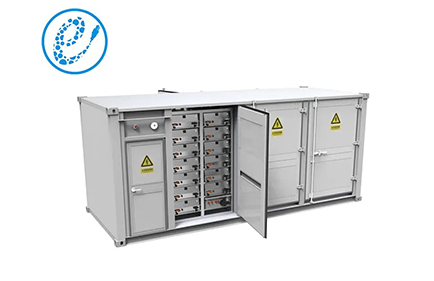
A containerized battery energy storage system performs several critical roles in modern energy infrastructure:
Stores excess energy (e.g., solar during the day) and releases it during peak demand.
Maintains voltage and frequency stability by responding instantly to fluctuations.
Balances intermittent energy sources like solar and wind, ensuring consistent output.
Provides uninterrupted power during outages for critical facilities.
Reduces electricity costs by minimizing peak demand charges.
Compared to traditional energy storage systems, containerized battery energy storage systems offer several decisive advantages:
Pre-assembled systems reduce installation time from months to weeks.
Easily expand capacity by adding additional containers.
Transportable design allows relocation as energy needs evolve.
Lower engineering, labor, and maintenance costs.
Integrated fire suppression and advanced monitoring systems.
Factory-built systems ensure consistent quality and performance.
| Feature | Containerized Energy Storage System | Traditional Energy Storage |
|---|---|---|
| Installation Time | Short (weeks) | Long (months) |
| Scalability | High (modular) | Limited |
| Mobility | Portable | Fixed |
| Maintenance | Simplified | Complex |
| Initial Cost | Lower | Higher |
| Design Flexibility | Standardized | Custom-built |
Implementing a containerized battery energy storage system requires a structured approach:
Identify whether the system will be used for grid support, renewable integration, or backup power.
Determine capacity (kWh/MWh), power rating (kW/MW), and battery chemistry.
Evaluate space, grid connection, environmental conditions, and safety requirements.
Select a reliable supplier offering certified, high-quality systems (e.g., systems similar to Ecopower Battery’s container energy storage solutions).
Deploy the container, connect to the grid, and perform system testing.
Use EMS for real-time monitoring, predictive maintenance, and performance optimization.
Containerized BESS solutions are widely used across industries:
Renewable energy farms (solar & wind)
Microgrids and off-grid systems
Industrial and commercial facilities
Data centers
Electric vehicle charging stations
Utility-scale grid support
High Energy Density: Maximizes storage capacity within limited space
Plug-and-Play Design: Reduces engineering complexity
Smart Monitoring: Real-time data and remote control
Environmental Adaptability: Operates in harsh climates
Future-Proof: Compatible with evolving energy technologies
Containerized BESS is used in renewable energy integration, grid stabilization, peak shaving, backup power, microgrids, and EV charging infrastructure.
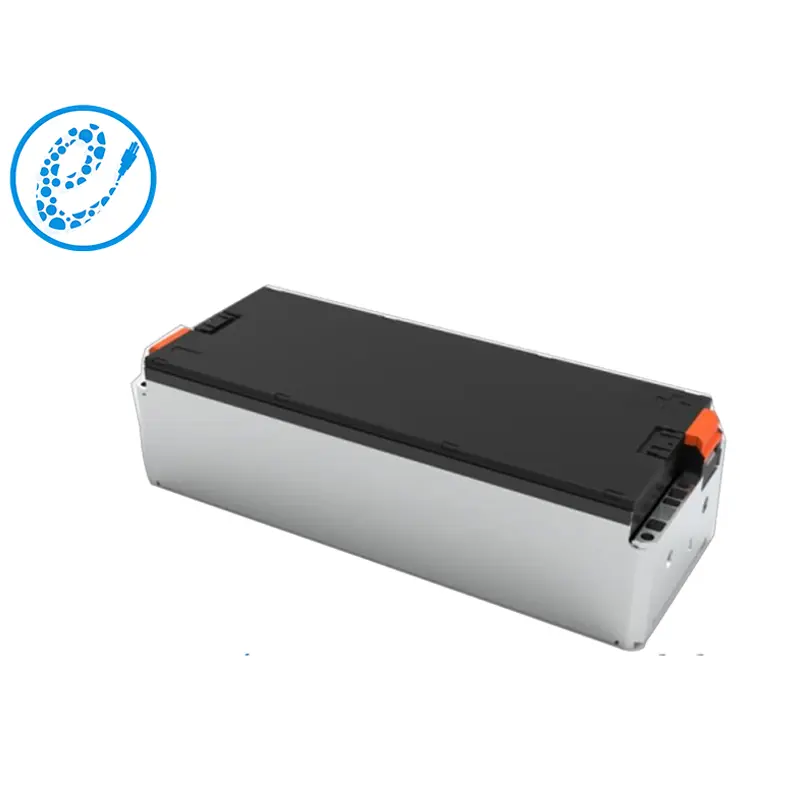
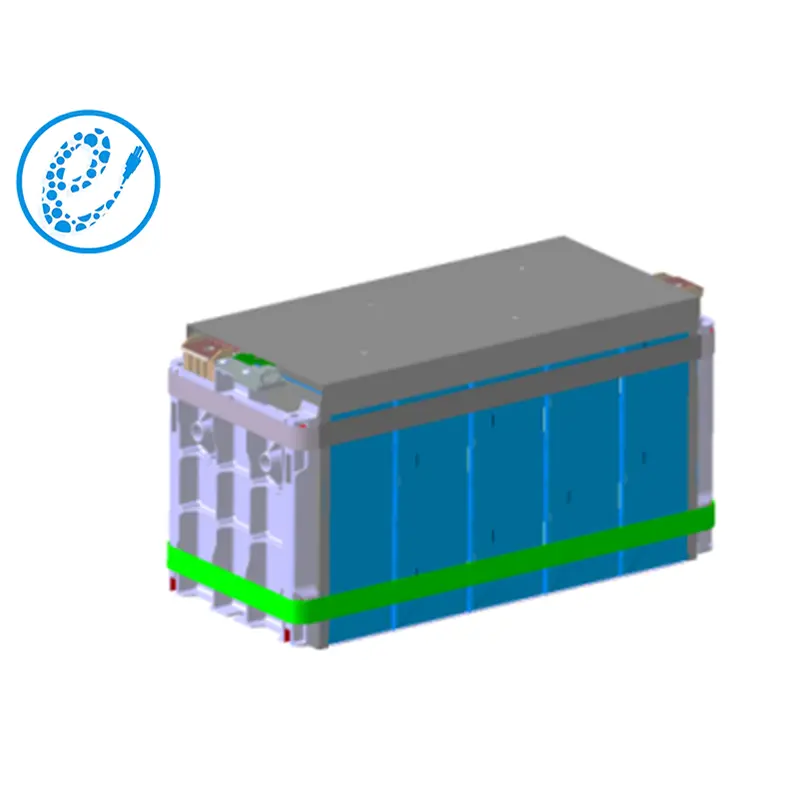
The system includes battery modules, BMS, PCS, EMS, thermal management, fire protection systems, and a container enclosure.
ESS (Energy Storage System): A broad term covering all energy storage technologies (mechanical, thermal, chemical).
BESS (Battery Energy Storage System): A subset of ESS that specifically uses batteries for energy storage.
The containerized battery energy storage system is redefining how energy is stored, managed, and deployed. With its modular architecture, rapid deployment capabilities, and adaptability across industries, it stands as a cornerstone of the modern energy transition.
For businesses and utilities seeking scalable and future-ready solutions, investing in a container energy storage system is not just a technical upgrade—it’s a strategic move toward energy resilience and sustainability.