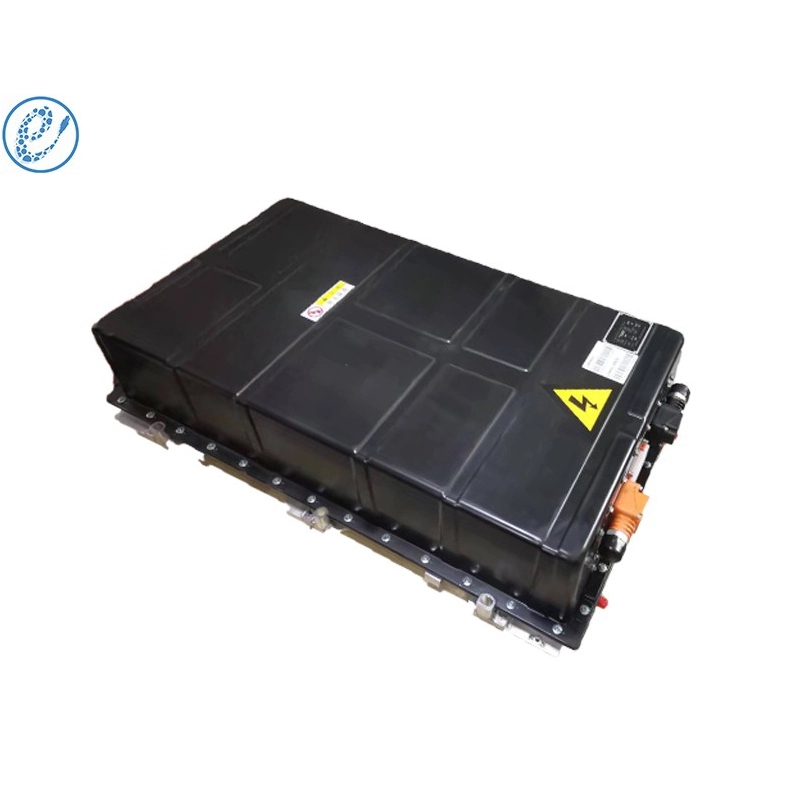
As the marine industry continues to embrace electrification and sustainable operations, vessel owners are paying closer attention to battery investments. Whether for recreational boats, commercial vessels, ferries, or hybrid marine applications, selecting the right marine battery is no longer simply a matter of choosing the lowest-priced option.
While initial purchase cost remains important, modern marine operators increasingly evaluate batteries based on total ownership cost, operational efficiency, maintenance requirements, and service life. This shift has led to growing adoption of advanced lithium-ion technologies, which offer significant long-term advantages despite higher upfront costs.
Understanding the true cost of a marine battery system can help vessel owners make smarter investment decisions and maximize the return on their energy storage infrastructure. In addition, selecting an experienced marine battery factory is equally important for ensuring product quality, technical support, and long-term reliability.
The cost of a marine battery varies significantly depending on several factors. Battery chemistry, energy capacity, voltage requirements, vessel type, and system complexity all influence the final investment.
Unlike conventional automotive batteries, marine batteries are designed to operate in demanding environments. They must withstand vibration, humidity, salt exposure, and continuous charging and discharging cycles while maintaining reliable performance.
For this reason, marine battery systems are engineered with specialized components that contribute to both cost and long-term value.
Key factors affecting marine battery pricing include:
· Battery chemistry
· Energy capacity (kWh)
· System voltage
· Battery Management Systems (BMS)
· Safety protection features
· Thermal management systems
· Marine certifications
· Installation requirements
As marine electrification advances, vessel owners are increasingly evaluating these factors from a lifecycle perspective rather than focusing solely on initial purchase costs.
There are several marine battery types available today, each offering different performance characteristics and cost structures.
Marine Battery Type | Initial Cost | Cycle Life | Maintenance | Energy Efficiency | Long-Term Value |
Flooded Lead-Acid | Low | Low | High | Moderate | Low |
AGM Battery | Medium | Moderate | Low | Moderate | Moderate |
Gel Battery | Medium-High | Moderate | Low | Moderate | Moderate |
Lithium-Ion Marine Battery | Higher | Very High | Minimal | High | Excellent |
Traditional lead-acid batteries remain popular because of their lower upfront cost. However, they typically require more maintenance, offer shorter service life, and provide lower usable capacity.
In contrast, a modern lithium-ion marine battery delivers superior energy density, longer cycle life, and greater operational efficiency, making it an increasingly attractive option for both recreational and commercial marine applications.
Many vessel owners notice that a lithium-ion battery for boat applications typically costs more than conventional alternatives. This price difference is primarily driven by advanced technology and system design.
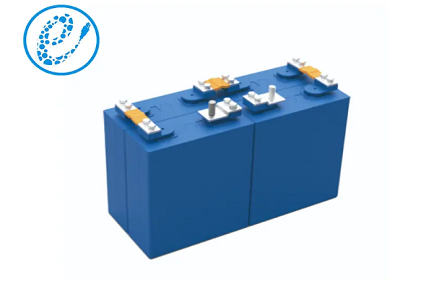
Lithium-ion batteries use sophisticated cell chemistry that provides higher energy density and greater durability compared to lead-acid batteries.
These advanced cells enable:
· More energy storage
· Longer operational range
· Reduced weight
· Higher efficiency
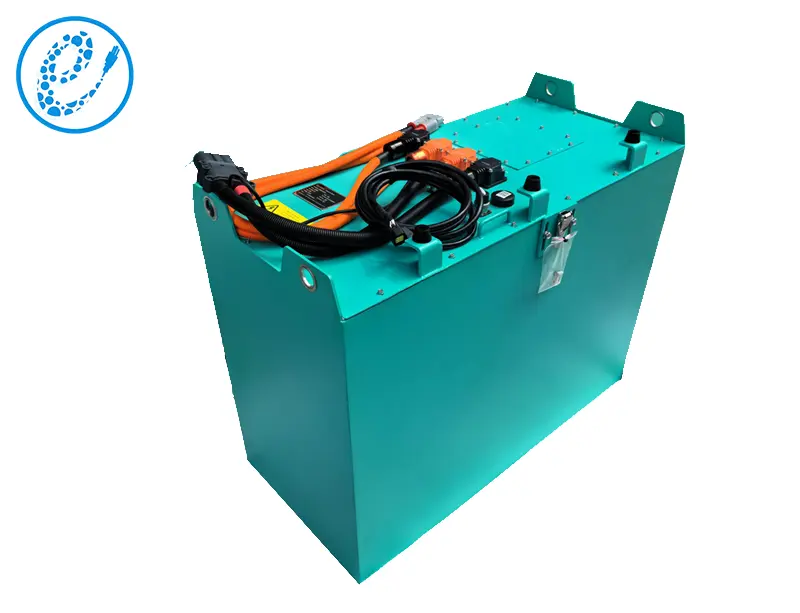
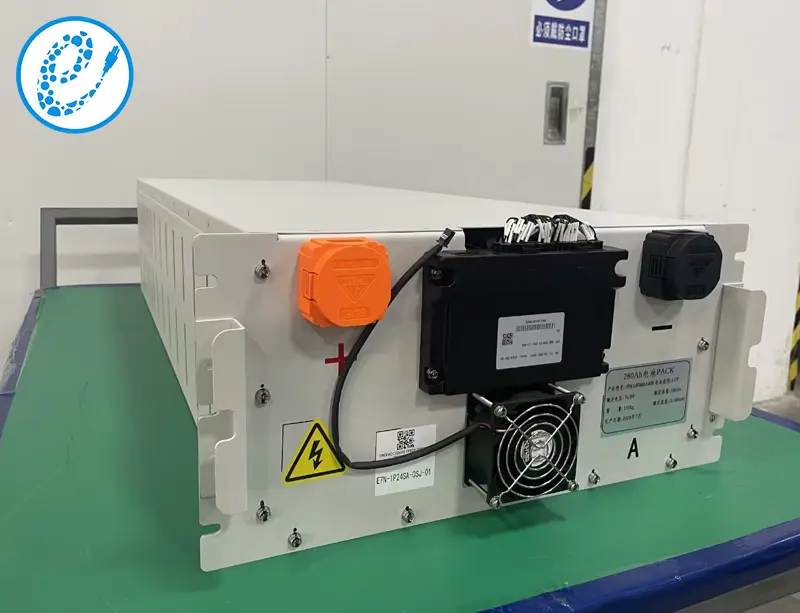
A modern marine battery pack includes an intelligent Battery Management System (BMS).
The BMS continuously monitors:
· Voltage
· Current
· Temperature
· State of charge
· Cell balancing
These functions improve both safety and performance while helping extend battery lifespan.
Marine applications require strict safety standards. Advanced battery systems often incorporate:
· Overcharge protection
· Over-discharge protection
· Thermal monitoring
· Short-circuit protection
· Fault detection systems
These additional protections contribute to higher initial costs but significantly improve operational reliability.
Marine battery packs are specifically designed to withstand harsh environmental conditions, including:
· Saltwater exposure
· Humidity
· Vibration
· Shock loads
· Temperature fluctuations
This rugged construction ensures long-term durability in demanding marine environments. Leading marine battery manufacturers invest heavily in engineering, testing, and quality control processes to ensure their battery systems meet the rigorous requirements of commercial vessels, electric boats, and marine equipment.
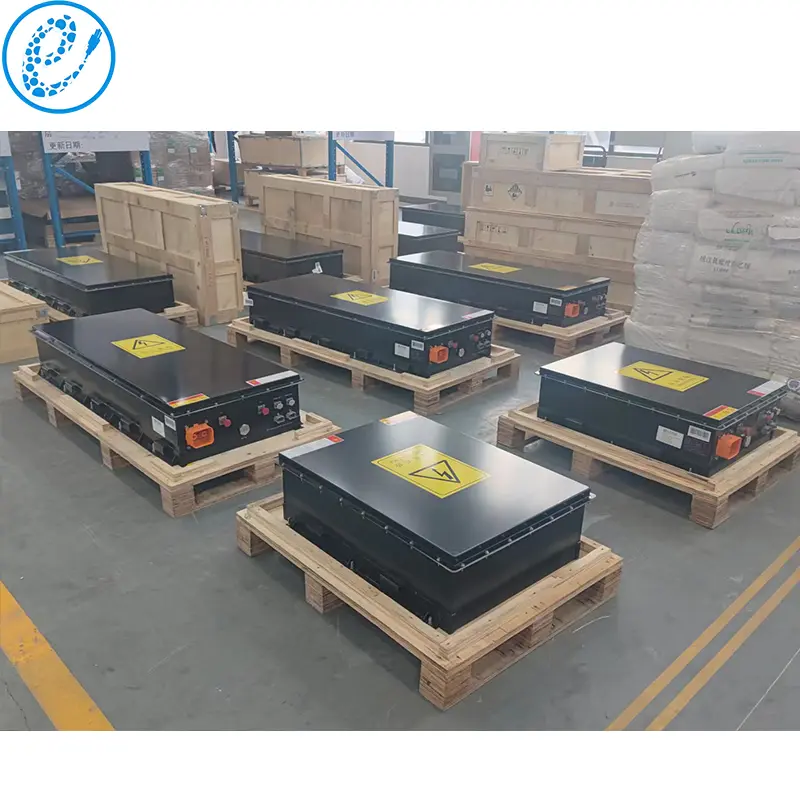
Although initial investment is higher, boat lithium batteries often provide substantial long-term savings.
One of the largest contributors to battery ownership costs is replacement frequency.
Traditional lead-acid batteries may require replacement several times during the lifespan of a vessel. In contrast, lithium-ion batteries can provide thousands of charge-discharge cycles, significantly extending service intervals.
This reduces:
· Replacement expenses
· Installation labor
· Operational interruptions
Lead-acid batteries often require regular maintenance, including:
· Water level inspections
· Terminal cleaning
· Equalization charging
Lithium-ion systems largely eliminate these maintenance requirements.
As a result, vessel operators benefit from:
· Lower labor costs
· Reduced maintenance downtime
· Improved operational efficiency
Battery efficiency directly affects operating costs.
Lithium-ion batteries typically deliver higher charging and discharging efficiency than traditional technologies. More stored energy becomes usable power, reducing energy losses throughout the system.
For commercial operators, these efficiency gains can accumulate significantly over years of operation.
When evaluating battery investments, total ownership cost often provides a more accurate picture than purchase price alone.
Cost Factor | Lead-Acid System | Lithium-Ion Marine Battery System |
Initial Purchase Cost | Lower | Higher |
Replacement Frequency | High | Low |
Maintenance Costs | High | Minimal |
Energy Losses | Higher | Lower |
Downtime Costs | Greater | Reduced |
Overall 10-Year Cost | Higher | Lower |
This comparison demonstrates why many vessel operators increasingly view lithium-ion batteries as a strategic investment rather than simply a higher-cost alternative.
Deep-cycle applications place unique demands on marine batteries.
A lithium-ion deep cycle marine battery is specifically designed to provide sustained power over extended periods while tolerating repeated discharge cycles.
Traditional batteries often experience performance degradation when deeply discharged.
Lithium-ion deep-cycle batteries can safely utilize a larger percentage of their rated capacity, allowing vessel owners to access more usable energy from the same battery size.
Deep-cycle lithium batteries maintain stable voltage throughout discharge cycles.
This stability improves performance for:
· Navigation equipment
· House power systems
· Trolling motors
· Electric propulsion systems
Commercial operators benefit from predictable battery performance and reduced risk of unexpected failures.
This reliability translates directly into lower operational costs and increased vessel availability.
The rapid growth of electric boating has increased demand for advanced electric boat lithium-ion battery systems.
Electric vessels depend entirely on battery technology for propulsion, making battery selection a critical investment decision.
When sourcing an electric boat lithium-ion battery system, vessel builders should evaluate not only battery specifications but also the capabilities of the battery supplier. An experienced marine battery manufacturer can provide customized marine battery pack solutions, engineering support, and system integration expertise throughout the project lifecycle.
Several factors influence electric boat battery costs:
Larger vessels and longer operating ranges require greater battery capacity.
Battery pack sizing depends on:
· Vessel weight
· Route distance
· Passenger capacity
· Power consumption profile
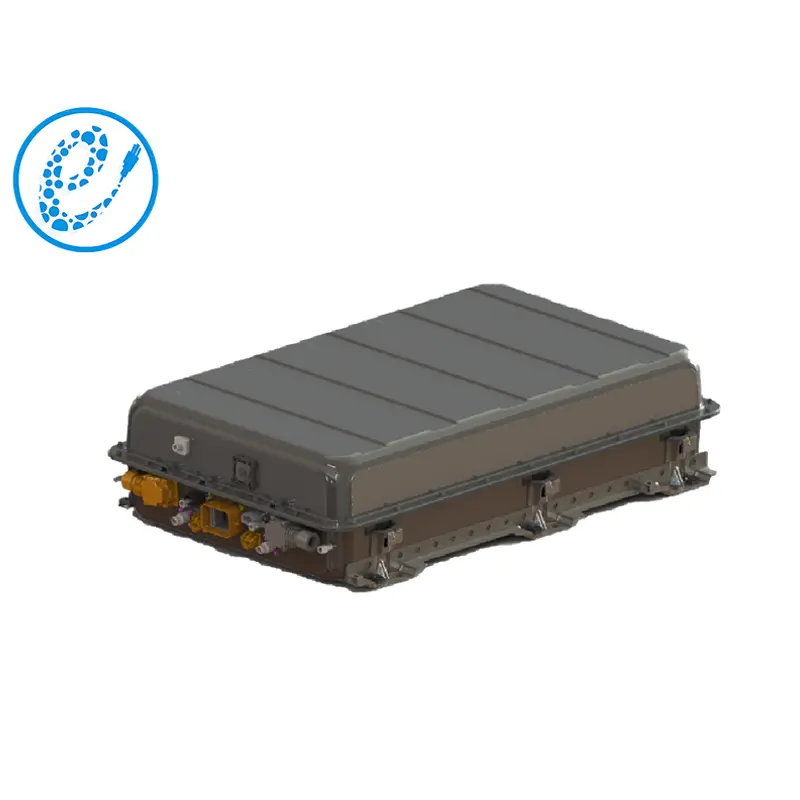
Modern marine battery pack solutions often feature modular architecture.
This approach offers several advantages:
· Flexible capacity expansion
· Simplified maintenance
· Improved scalability
· Better space utilization
Operators can initially install the capacity required for current operations and expand the system as operational needs evolve.
Battery investments should also consider charging requirements.
Fast-charging systems can improve operational efficiency while reducing downtime between voyages.
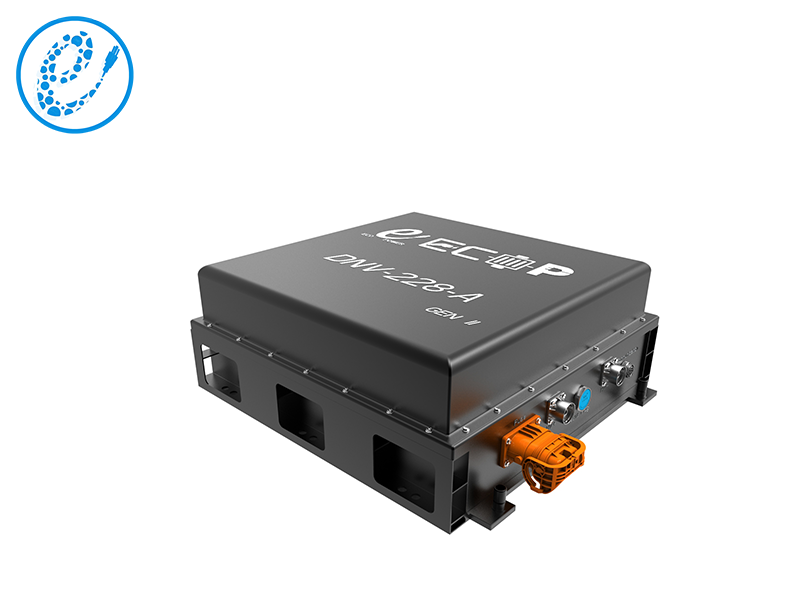
An efficient electric boat power system delivers benefits that extend beyond battery performance alone.
Electric propulsion eliminates or significantly reduces fuel consumption.
Over time, fuel savings can offset a substantial portion of battery investment costs.
Electric propulsion systems generally contain fewer moving parts than conventional diesel engines.
This results in:
· Lower maintenance requirements
· Reduced repair costs
· Improved reliability
Many ports and waterways are introducing stricter environmental regulations.
Electric propulsion systems powered by lithium-ion batteries help vessel operators comply with evolving emissions standards while supporting sustainability objectives.
Electric vessels typically operate with less noise and vibration than conventional boats.
This improved passenger experience can create additional value for tourism operators and passenger ferry services.
Selecting the optimal battery solution requires balancing performance requirements, operational goals, and budget considerations.
Questions vessel owners should consider include:
· What is the vessel's daily energy demand?
· Is the application recreational or commercial?
· What operating range is required?
· How important is fast charging?
· Are future capacity upgrades anticipated?
A properly designed battery system should not only meet current requirements but also support future operational growth.
For many modern vessels, lithium-ion technology provides the best combination of efficiency, reliability, and long-term value.
Choosing the right marine battery manufacturer can significantly impact project success. A reliable marine battery supplier should offer:
· Advanced battery engineering capabilities
· Marine industry experience
· Custom marine battery pack design services
· Comprehensive testing and quality control
· Technical support and after-sales service
· Scalable production capacity
For vessel builders, marine equipment companies, and OEM customers, working directly with an experienced marine battery factory often provides greater flexibility for customized projects and long-term cooperation.
As battery technology continues to advance, the cost of marine energy storage systems is expected to become increasingly competitive.
Several industry trends are driving this evolution:
· Improvements in lithium-ion cell manufacturing
· Increased production scale across global markets
· Advances in battery management technology
· Growing adoption of electric and hybrid vessels
· Enhanced energy density and safety performance
As demand for vessel electrification continues to grow, marine battery factories worldwide are expanding production capacity and investing in next-generation lithium-ion technologies. These investments are helping manufacturers improve performance while reducing overall battery costs for vessel owners and operators.
As these developments continue, lithium-based marine battery solutions are expected to deliver even greater value while supporting the marine industry's transition toward cleaner and more sustainable operations.
While the upfront investment of a lithium-ion marine battery may be higher than traditional alternatives, its superior cycle life, reduced maintenance requirements, higher efficiency, and lower overall ownership costs make it one of the most cost-effective energy storage solutions available today. Whether you are evaluating a lithium-ion battery for boat application, upgrading to a lithium-ion deep cycle marine battery, or designing a complete electric boat power system, choosing the right marine battery manufacturer is essential for long-term success. Contact Eco Power today to discuss your project requirements and discover the ideal battery solution for your marine application.