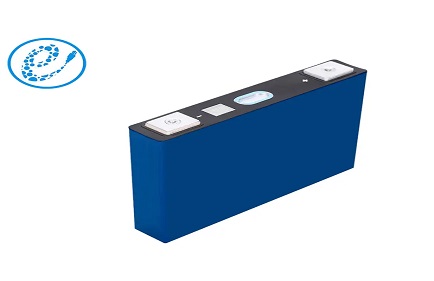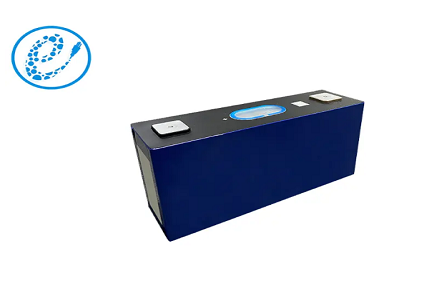
The rapid evolution of lithium-ion technology has made the NCM battery one of the most important energy storage solutions in modern industries. Whether in electric vehicles (EVs), portable electronics, or energy storage systems, battery NCM technology is widely recognized for its high energy density and strong performance.
This article is designed not only for engineers and buyers but also for decision-makers looking for reliable battery solutions.
An NCM battery (Nickel Cobalt Manganese battery) is a type of lithium-ion battery that uses a cathode material composed of nickel (Ni), cobalt (Co), and manganese (Mn).
The general chemical formula is:
LiNixMnyCozO₂
This combination allows manufacturers to balance three key performance factors:
Nickel (Ni): Provides high energy density
Cobalt (Co): Enhances stability and conductivity
Manganese (Mn): Improves safety and lifespan
Unlike traditional battery chemistries, NCM battery chemistry enables customizable ratios (such as NCM111, NCM622, NCM811), allowing optimization for specific applications like EVs or energy storage.
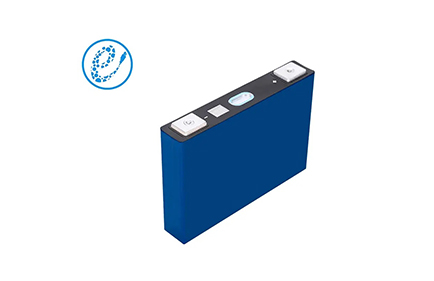
At its core, an NCM battery works like any lithium-ion battery—by moving lithium ions between the cathode and anode during charging and discharging.
However, what makes battery NCM technology unique is:
Layered oxide cathode structure
High nickel content (in advanced versions)
Tunable electrochemical performance
Modern NCM batteries can reach 250–300 Wh/kg energy density, significantly higher than many alternatives .
This makes them ideal for applications where space and weight are critical, such as:
Electric vehicles
Drones
Portable power systems
NCM batteries offer 20–30% higher energy density than LFP batteries , meaning:
Longer driving range for EVs
Smaller battery size
Lightweight systems
NCM batteries deliver excellent power output and acceleration, making them suitable for high-performance devices and vehicles.
Compared to LFP, NCM batteries perform better in cold environments, maintaining efficiency and output.
Manufacturers can adjust Ni-Co-Mn ratios to achieve:
Higher capacity (more nickel)
Better safety (more manganese)
Balanced performance (standard ratios)
NCM is one of the most widely used chemistries in:
Electric vehicles
Consumer electronics
Industrial energy systems
Understanding the difference between NCM battery and LFP battery is crucial for choosing the right solution.
| Feature | NCM Battery | LFP Battery |
|---|---|---|
| Energy Density | High (250–300 Wh/kg) | Lower (160–180 Wh/kg) |
| Cycle Life | Medium (1,500–2,500 cycles) | Long (3,000–5,000 cycles) |
| Safety | Moderate | Very high |
| Cost | Higher | Lower |
| Weight | Lighter | Heavier |
| Cold Performance | Better | Weaker |
Key takeaway:
Choose NCM for performance and compact design
Choose LFP for safety and long lifespan
NCM batteries are particularly advantageous in space-constrained applications, where higher energy density is critical .
NCM batteries are widely used across industries:
Long-range EVs rely heavily on NCM chemistry
Enables lighter battery packs and longer driving distance
Used in commercial and industrial storage
Ideal where space is limited
Smartphones
Laptops
Portable devices
High power output supports demanding applications
Selecting the right NCM battery depends on your application. Here are key factors:
High range → choose high-nickel NCM (e.g., NCM811)
For indoor or residential use → ensure advanced BMS protection
If long lifespan is critical → consider balance with LFP
Cold climates → NCM is a better choice
NCM = higher upfront cost but better performance
Recommendation: For high-performance systems, NCM is often the best choice.
According to the product specifications from Copower Battery’s NCM battery solutions:
High energy density design
Compact and lightweight modules
Suitable for EVs and energy storage
Integrated safety management systems
These features make NCM batteries ideal for modern, high-demand applications requiring both performance and reliability.
Choose an NCM battery when you need high energy density, lightweight design, and strong performance. It is ideal for applications like EVs, drones, and compact devices.
Yes, NCM batteries are safe for indoor use when equipped with a proper Battery Management System (BMS). They require effective thermal management to ensure safety.
No, NCM is a type of lithium-ion battery chemistry. All NCM batteries are lithium-ion, but not all lithium-ion batteries are NCM.
The NCM battery remains one of the most important technologies in today’s energy landscape. With its high energy density, strong performance, and flexible chemistry, it is the preferred choice for applications where efficiency and compact design matter most.