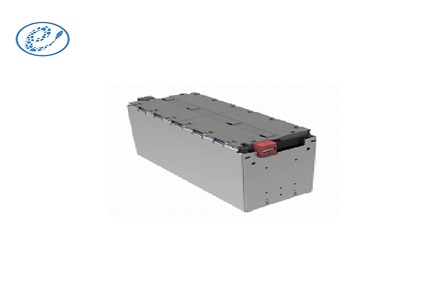
In today’s rapidly evolving energy landscape, the demand for safe, long-lasting, and high-efficiency batteries is stronger than ever. Among all battery technologies, the LiFePO4 cell has emerged as a leading solution for energy storage, electric mobility, and industrial applications.
Compared with traditional lithium-ion batteries, LiFePO4 battery cells offer superior safety, longer cycle life, and better thermal stability—making them the preferred choice for both residential and commercial energy systems.
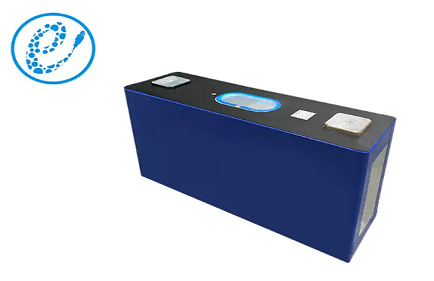
A LiFePO4 cell is a type of rechargeable lithium-ion battery that uses lithium iron phosphate (LiFePO4) as the cathode material and carbon (graphite) as the anode.
Unlike conventional lithium-ion batteries that use cobalt-based materials, LiFePO4 chemistry is designed for enhanced safety and durability.
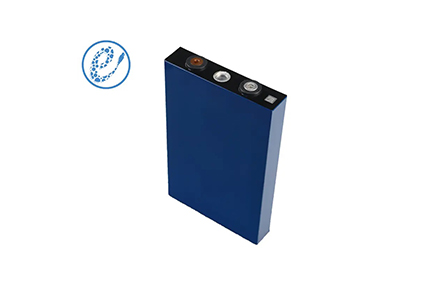
LiFePO4 cells operate through the movement of lithium ions between the cathode and anode during charging and discharging:
Charging: Lithium ions move from the cathode to the anode
Discharging: Lithium ions return to the cathode, releasing energy
This electrochemical process ensures stable energy output and long-term reliability.
Nominal voltage: 3.2V per cell
Charging cut-off voltage: 3.6–3.65V
Chemistry: Lithium iron phosphate
Cell formats: Cylindrical, prismatic, pouch
Modern products from Eco Power integrate advanced materials and manufacturing processes to ensure high consistency, safety, and performance across every LiFePO4 battery cell.
Understanding the core characteristics of LiFePO4 battery cells is essential for evaluating their real-world performance.
LiFePO4 chemistry has a high thermal decomposition temperature (500–600°C), significantly reducing overheating risks.
LiFePO4 cells can achieve 2,000–5,000+ cycles, with some systems exceeding 7,000 cycles under optimal conditions.
They provide a stable and consistent voltage output, ensuring reliable performance across the discharge cycle.
The stable crystal structure prevents oxygen release, minimizing the risk of thermal runaway.
LiFePO4 cells retain energy for longer periods, making them ideal for backup systems.
LiFePO4 battery cells are widely recognized as one of the safest lithium battery technologies, thanks to their stable chemical structure and resistance to overheating.
With thousands of charge cycles, LiFePO4 cells can last 8–15 years, significantly reducing replacement costs.
LiFePO4 batteries offer high energy efficiency (typically 90% or more), ensuring minimal energy loss during operation.
These batteries contain no cobalt or toxic heavy metals, making them more sustainable and eco-friendly.
They perform reliably across a wide temperature range, making them suitable for outdoor and industrial environments.
Although the initial cost may be higher, their longevity and low maintenance result in lower long-term costs.
LiFePO4 battery cells are used across multiple industries due to their safety, durability, and efficiency.
Solar energy systems
Wind energy storage
LiFePO4 cells provide stable and long-lasting storage solutions.
Widely used in:
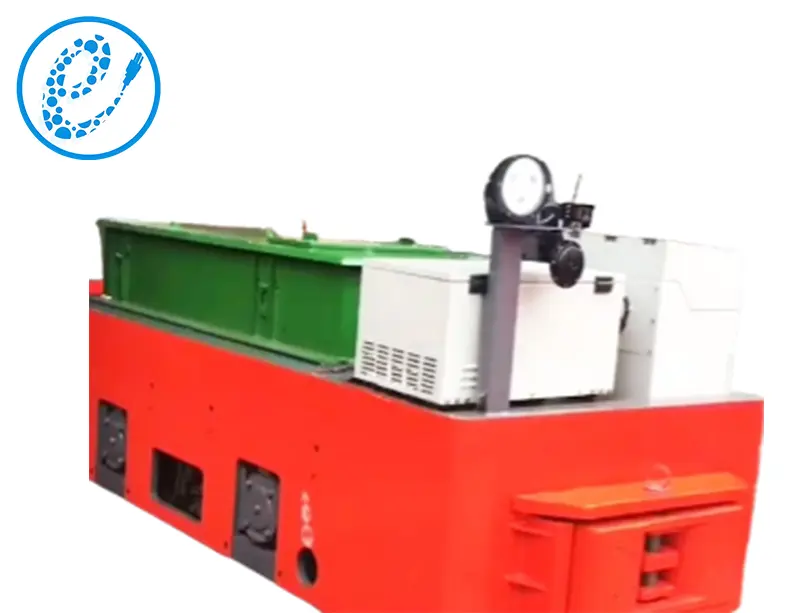
Electric buses
Commercial vehicles
Low-speed EVs
Their safety and durability make them ideal for transportation.
Used in:
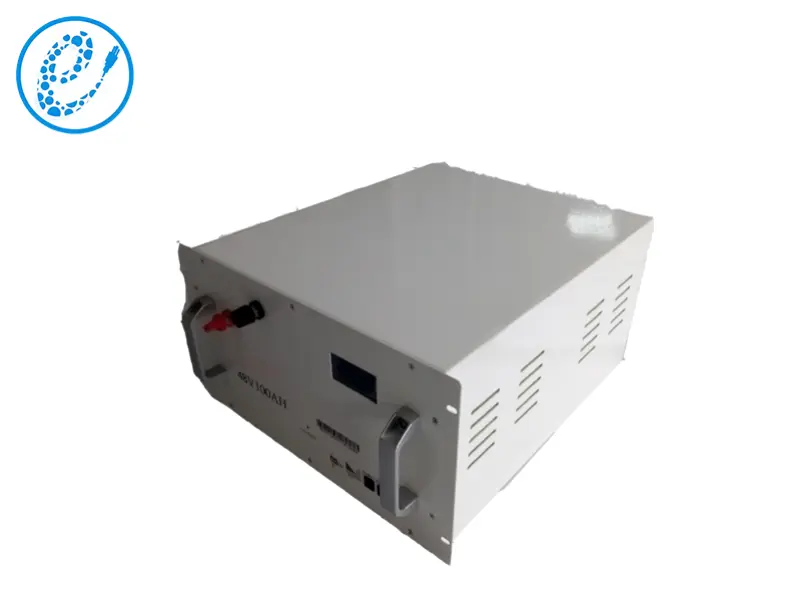
Residential energy storage
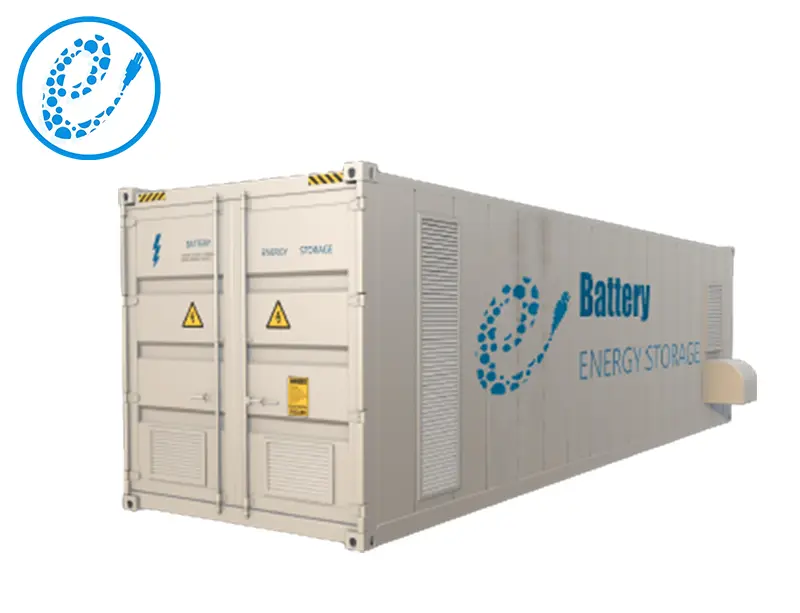
Commercial & industrial ESS
Grid stabilization
UPS systems
Telecom infrastructure
Data centers
Selecting a reliable lifepo4 battery factory like Eco Power directly impacts battery performance, safety, and lifespan.
Advanced manufacturing technology
Strict quality control systems
High consistency across battery cells
Integrated BMS compatibility
Customizable solutions for various industries
Eco Power’s LiFePO4 battery cells are engineered for:
High energy density
Long cycle life
Superior safety
Scalable applications
LiFePO4 is a subtype of lithium-ion battery but offers better safety, longer lifespan, and improved thermal stability compared to traditional lithium-ion chemistries.
Yes, LiFePO4 cells support deep discharge, but maintaining a moderate depth of discharge helps extend lifespan.
They can operate in low temperatures, but performance may decrease below 0°C, especially during charging.
The LiFePO4 cell represents a breakthrough in battery technology, offering the perfect balance of safety, longevity, and efficiency. From renewable energy storage to electric vehicles, its applications continue to expand across industries.
For businesses seeking reliable energy solutions, working with a trusted lifepo4 battery factory like Eco Power ensures access to high-quality LiFePO4 battery cells that meet modern performance and safety standards.