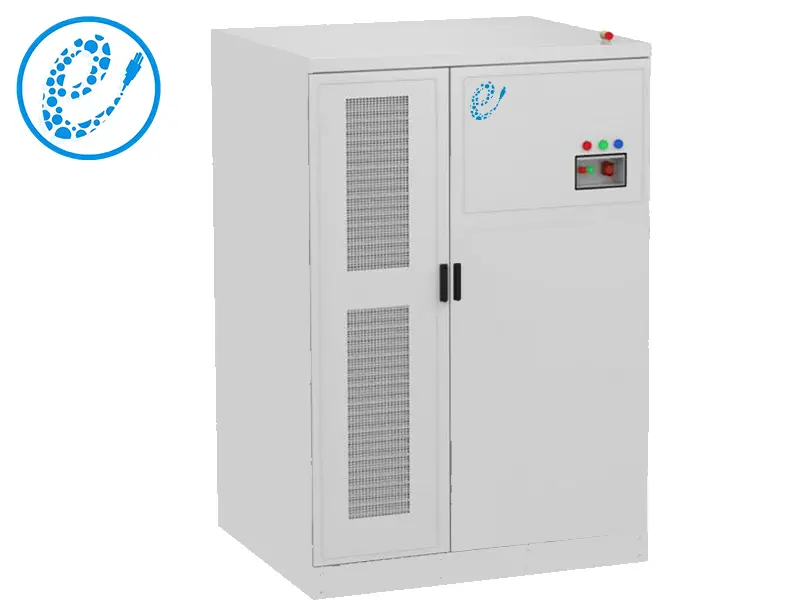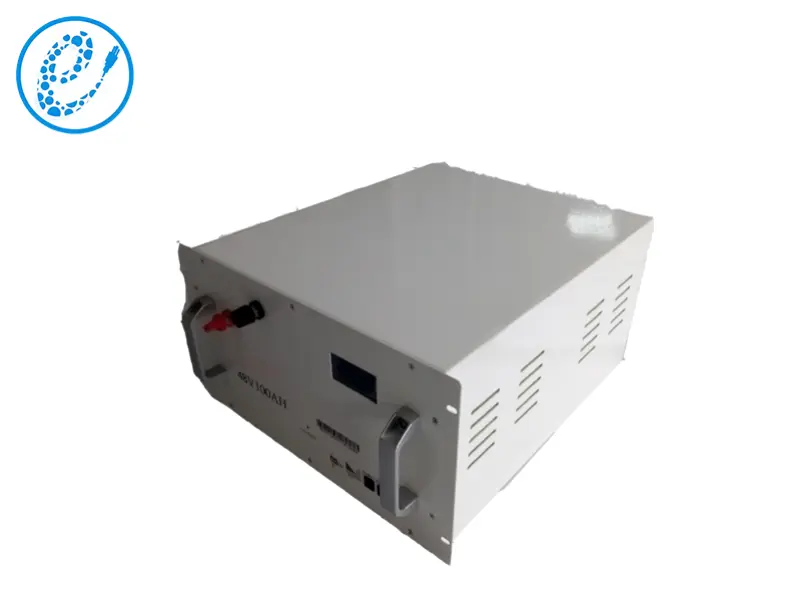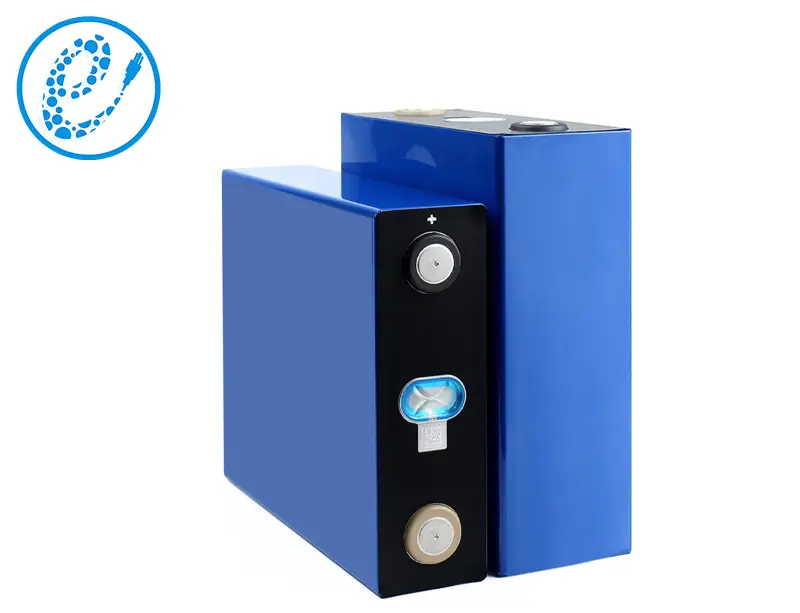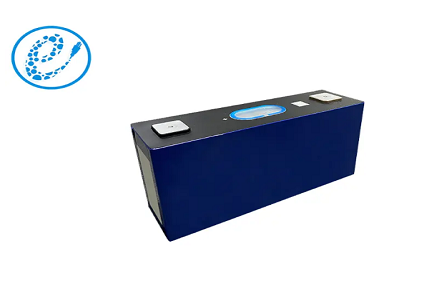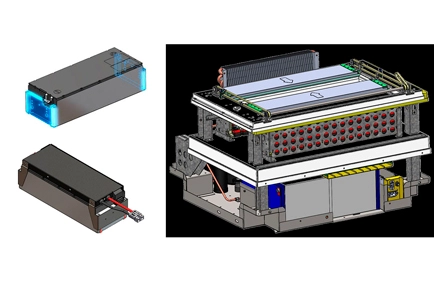
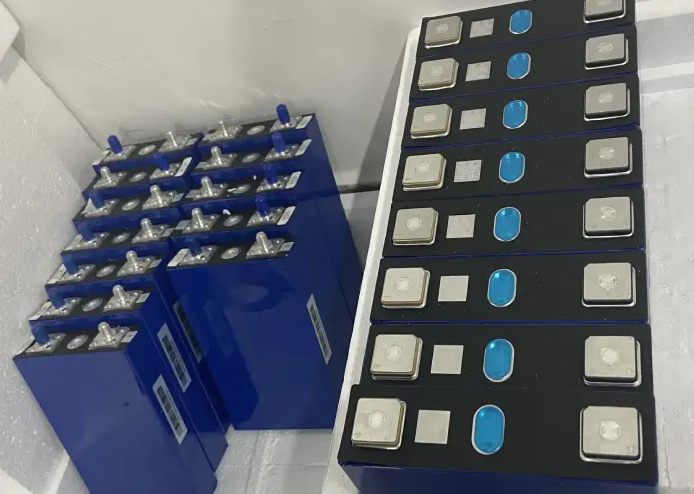
As the world places increasing emphasis on low-carbon energy systems, LiFePO₄ (Lithium Iron Phosphate) cells are experiencing rapid growth in applications such as energy storage, electric vehicles, and industrial power supply. Thanks to their high safety, long cycle life, and environmentally friendly characteristics, they are becoming a preferred choice. Eco Power offers a wide range of high-performance cells and battery modules, driving the adoption of the green energy revolution.
LiFePO₄ cells are lithium-ion battery units that use lithium iron phosphate as the cathode material. They feature outstanding thermal and chemical stability. Compared with conventional ternary lithium batteries, they have a much lower risk of thermal runaway, making them widely used in outdoor storage systems and commercial electric vehicles.
High Safety: Excellent thermal stability and low flammability
Long Lifespan: Cycle life exceeding 2,000 cycles
Eco-Friendly: Cobalt-free, low environmental impact
Cost Advantage: Lower cost compared with ternary systems
Wide Application Range: Suitable not only for residential solar systems, but also for industrial UPS, 5G base stations, agricultural irrigation equipment, and more
These features make LiFePO₄ cell increasingly favored in both residential energy storage and commercial energy stations.
With the development of IoT and smart grids, battery systems are evolving toward intelligent management, remote monitoring, and high-level customization. Eco Power provides tailored solutions, allowing users to select cell types, voltage platforms, and BMS systems according to their needs, maximizing energy utilization.
| Item | LiFePO₄ Cells |
|---|---|
| Safety | High |
| Cycle Life | Over 2,000 cycles |
| Energy Density | Slightly lower |
| Cost | Relatively lower |
| Applications | Energy storage, commercial vehicles, outdoor equipment |
LiFePO₄ cells are becoming a key driver of energy storage and green transportation. Through manufacturers such as Eco Power, lithium battery module solutions are becoming more flexible and efficient. In the future, the inherent safety and sustainability of these cells will provide strong support for the global energy transition.